
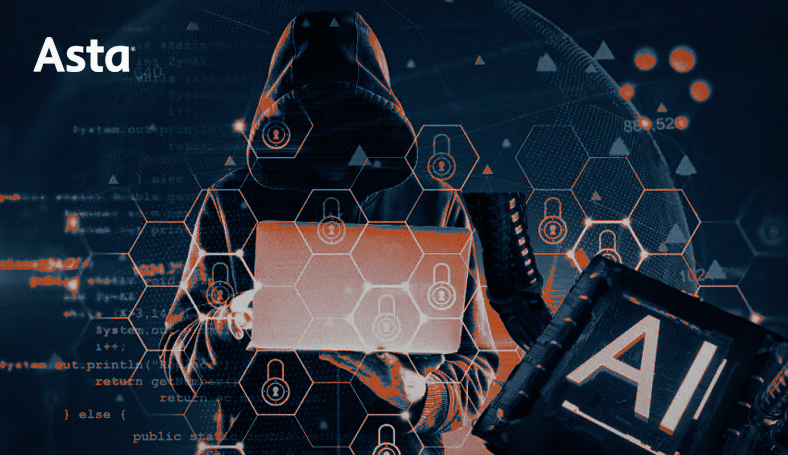
Companies face increasing challenges in terms of cybersecurity due to evolving threats. Threats are constantly transforming, from ransomware and phishing attacks to more sophisticated intrusions driven by malicious actors. Artificial intelligence (AI) is emerging as a key solution to strengthen the security of organizations and anticipate possible vulnerabilities.
A smarter defense: why AI?
Artificial intelligence is not only transforming how businesses operate, but also how they protect themselves. Unlike traditional cybersecurity approaches that react to already detected attacks, AI enables a proactive approach:
- Predictive analysis: AI can analyze large volumes of data in real time to identify anomalous patterns that could indicate an imminent attack. By learning from past incidents, AI-powered systems can predict and prevent breaches before they occur.
- Continuous adaptation: Attackers constantly change their tactics, techniques and procedures. AI-based cybersecurity systems have the ability to adapt to these emerging threats, adjusting their algorithms to combat them more effectively.
- Real-time detection: AI tools can identify suspicious activity instantly, even in complex networks or remote work environments, where access points are more dispersed.
Key applications of AI in cybersecurity
- Threat detection and automatic response
The volume of data generated by companies can make it difficult to manually identify threats. The AI analyzes this information in real time to detect anomalies, such as unauthorized access attempts or unusual movements on the network.
For example, AI-based tools can automatically identify and mitigate zero-day attacks, which are especially dangerous due to their ability to exploit unknown vulnerabilities.
- Fraud prevention
In sectors such as finance or e-commerce, fraud is a constant concern. AI can track transactions in real time, comparing them to typical patterns to identify fraudulent activity.
- Protection against phishing
Phishing remains one of the most common methods of accessing sensitive data. AI can analyze emails, links, and attachments to detect signs of phishing, such as suspicious URLs or unusual language patterns.
- Strong authentication
Traditional authentication systems, such as passwords, are vulnerable. AI can be integrated into biometric solutions, such as facial or voice recognition, to ensure that only authorized users access business systems.
How AI strengthens business resilience
The use of AI not only focuses on preventing attacks, but also on minimizing the impact when they occur. Some key ways it contributes to resilience include:
Post-attack analysis: After an incident, AI can quickly analyze the data to identify how the attack occurred, what systems were affected, and what actions should be taken to prevent it from happening again.
Automated responses: During an ongoing attack, AI-based systems can isolate compromised parts of the network to contain the threat while alerting the IT team.
Continuous strengthening of infrastructure: AI can simulate cyber attacks in a controlled environment to identify weaknesses in security systems and recommend improvements.
Challenges of implementing AI in cybersecurity
Although the benefits are evident, adopting AI in enterprise cybersecurity also presents challenges:
- Initial costs: Implementing AI systems can be expensive, especially for small and medium-sized businesses. However, the long-term benefits far outweigh the initial investment.
- False positives: In some cases, AI systems can generate false alerts, which could lead to security team fatigue. As algorithms are refined, this problem is reduced.
- Technological dependence: Companies must balance automation with human oversight to ensure that critical decisions do not rely solely on automated systems.
An AI-driven future in cybersecurity
The future of cybersecurity is closely linked to artificial intelligence. As threats become more sophisticated, businesses will need to adopt AI-powered solutions to stay protected.
Trends that will shape the future
- Autonomous cybersecurity: The systems will be able to operate without human intervention, detecting and mitigating threats in real time.
- Greater integration with IoT: With the growth of the Internet of Things (IoT), AI will be crucial to protecting connected devices and the networks that support them.
- Ethical use of AI: As AI becomes more widely used in cybersecurity, it will be critical to ensure that it is used ethically, respecting user privacy and avoiding bias in its algorithms.
How to get started with AI in cybersecurity
For companies interested in leveraging AI for their cybersecurity, first steps include:
- Assess specific needs: Identify the highest risk areas within the current infrastructure.
- Select suitable solutions: There are many AI-based cybersecurity tools in the market. It is essential to choose those that best suit the needs and budget of the company.
- Train the team: Although AI automates many tasks, it is crucial that staff are trained to monitor and optimize their operation.
Conclusion
Artificial intelligence is not just another tool in business cybersecurity; it is a paradigm shift. Its ability to predict, detect and respond to threats in real time makes it an indispensable ally for companies seeking to protect themselves in a constantly changing digital environment.
Adopting AI-based cybersecurity solutions not only strengthens defense against current threats, but also prepares companies to meet the challenges of the future. In a world where cybersecurity is key to business success, AI promises to be one of the smartest investments organizations can make and at Asta we can help.
To learn more about our cybersecurity services, visit Asta: https://www.asta.com.au/cyber-security
About Our mission in the digital space
Asta is a leading full-service technology and consulting agency. We’re trusted industry leaders, who are committed to advancing businesses through powerful IT. Yet, beyond our IT acumen in software, web and mobile app development, our fit-for-purpose managed IT service solutions and our ground-breaking AI and blockchain technologies – there’s something more.
At the core of everything we do is our relentless commitment to people.
Contact and social networks
Contact us through our available means, and a specialized advisor will contact you to resolve all your questions: