
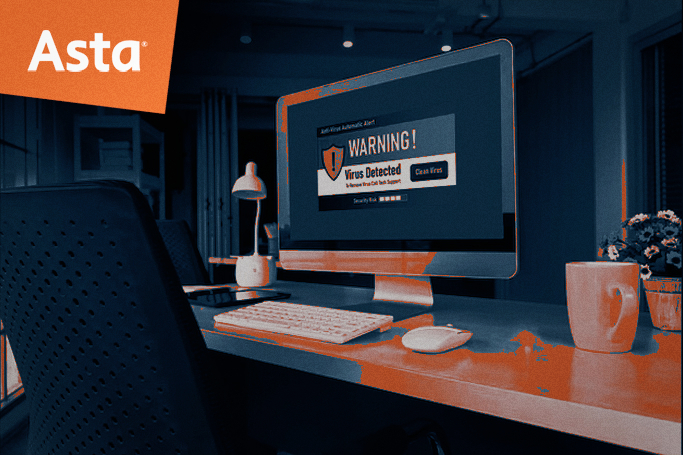
In an environment where digitalization is advancing by leaps and bounds, cybersecurity has become a fundamental aspect for companies of any size and sector. With digital threats on the rise, not having adequate protection measures in place can lead to the loss of sensitive data, financial damage, and even irreparable reputational damage. In this article we explore the main cybersecurity threats that companies are currently exposed to and offer some solutions to mitigate them.
Ransomware: Data Kidnapping
Ransomware is one of the most feared threats in business cybersecurity. This type of attack involves cybercriminals encrypting company data, demanding payment to return access. The attack methodology has evolved to not only encrypt, but also leak sensitive information, putting companies under an additional threat of public exposure.
Protection Strategies:
- Backups: Making regular backups of critical information and storing them offline helps reduce the dependency on paying the ransom in the event of an attack.
- Software Update: Keeping software and operating systems up to date reduces vulnerabilities exploited by ransomware.
- Employee Training: Training staff to identify suspicious emails and links significantly reduces the chances of falling into ransomware traps.
Phishing: Email Scams
Phishing is a persistent threat that usually arrives through fraudulent emails that appear to be legitimate. Criminals pose as trusted figures to trick employees into obtaining access details such as passwords, payment information, and other sensitive data.
Protection Strategies:
- Awareness and Training: Implement cybersecurity awareness programs so that employees recognize and avoid phishing emails.
- Multi-Factor Authentication (MFA): MFA adds an extra layer of security, preventing attackers from gaining access with a single stolen password.
- Anti-Phishing Filters: Implement advanced email filters that detect and block suspicious emails.
Social Engineering Attacks
Social engineering attacks are psychological manipulation techniques used by cybercriminals to trick people into revealing sensitive information. These attacks typically target company employees and leverage trust or lack of cybersecurity knowledge to gain unauthorized access.
Protection Strategies:
- Cybersecurity Training: A well-informed staff is less vulnerable to these attacks.
- Restricted Access Policy: Limiting access to critical information only to those who truly need it reduces the chances of it falling into the wrong hands.
- Social Engineering Testing: Performing simulations of social engineering attacks can help evaluate and strengthen the company’s response to this threat.
Denial of Service (DDoS) Attacks
DDoS (Distributed Denial of Service) attacks seek to overload company systems, making their online services inaccessible. These attacks can be devastating for businesses that rely on online availability, affecting both their operations and reputation.
Protection Strategies:
- Content Delivery Network (CDN): By distributing website traffic across different servers, companies can mitigate the impact of a DDoS attack.
- DDoS Detection and Mitigation Systems: Implementing software and hardware dedicated to detecting and mitigating DDoS attacks is a key investment to guarantee the continuity of services.
- Cloud Scalability: Cloud infrastructures allow you to expand the capacity of servers, better supporting unexpected traffic caused by a DDoS attack.
Internal Threats: Employees and Suppliers
Insider threats, which include both current and former employees as well as suppliers, represent a real risk to businesses. Often, these threats occur due to carelessness or ignorance, although they can also be intentional.
Protection Strategies:
- Access Management: Limiting access to information based on job responsibilities and revoking access when an employee leaves the company is essential.
- Recording and Monitoring of Activities: Recording and monitoring the activity of internal users allows identifying anomalous or suspicious behavior.
- Password Policy: Implementing a strong password policy and educating employees about their importance minimizes the risk of unauthorized access.
Malware: Malicious Software
Malware encompasses various types of malicious software, such as viruses, spyware, trojans, and worms, that can infiltrate systems and cause damage. This type of threat can affect both individuals and organizations, causing data loss and compromising privacy.
Protection Strategies:
- Antivirus and Antimalware: Using security solutions that detect and eliminate malware in real time is essential.
- Network Segmentation: Limiting access to different sections of the network minimizes the spread of malware in the event of infection.
- Avoid Unauthorized Software: Controlling what software employees can install helps reduce the risk of malicious infections.
Zero-Day Attacks: Unknown Vulnerabilities
Zero-day attacks occur when attackers exploit an unknown vulnerability in a system or app. Without a security update or patch yet, these attacks are difficult to prevent and represent a significant threat.
Protection Strategies:
- Continuous Patching: Although these attacks exploit unknown vulnerabilities, keeping software updated reduces the risk of exposure to potential vulnerabilities.
- Vulnerability Scanners: Implementing vulnerability scanners helps detect possible weaknesses before they are exploited.
- Active Monitoring and Incident Response: Maintaining continuous monitoring can detect suspicious activity that could indicate a zero-day attack in progress.
Theft of Confidential Information
Companies store large amounts of sensitive data, such as employee personal information, financial records, and customer data. The theft of this information can have devastating consequences both financially and legally.
Protection Strategies:
- Data Encryption: Encrypting sensitive information ensures that data is protected in case of unauthorized access.
- Two-Factor Authentication (2FA): Implementing 2FA adds an additional layer of protection, ensuring that only authorized users can access information.
- Privacy and Data Security Policies: Having clear policies on how information is stored and protected reduces the risk of exposure.

The Importance of a Comprehensive Approach to Cybersecurity
Given the current threat landscape, cybersecurity cannot be left to chance. Companies must adopt a comprehensive and proactive approach, implementing cybersecurity prevention, protection and education policies. This includes everything from the use of advanced technologies to constantly training employees so they understand their role in protecting the company.
Implementing advanced cybersecurity measures is essential to protect sensitive information, ensure continuity of operations, and maintain customer trust. Companies that invest in cybersecurity not only protect themselves against current threats, but also strengthen their position against future vulnerabilities in an ever-changing digital world.
To learn more about our cybersecurity services, visit Asta: https://www.asta.com.au/cyber-security
About Our mission in the digital space
Asta is a leading full-service technology and consulting agency. We’re trusted industry leaders, who are committed to advancing businesses through powerful IT. Yet, beyond our IT acumen in software, web and mobile app development, our fit-for-purpose managed IT service solutions and our ground-breaking AI and blockchain technologies – there’s something more.
At the core of everything we do is our relentless commitment to people.
Contact and social networks
Contact us through our available means, and a specialized advisor will contact you to resolve all your questions: